


Types of Energy

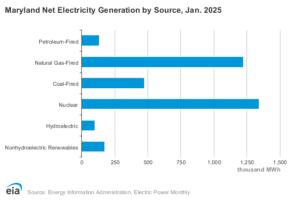
Maryland's Electricity Mix
Maryland’s power comes from various renewable and nonrenewable sources. Knowing these sources helps you make choices that can benefit both the environment and your wallet.
Maryland produces only about 60% of the electricity it uses. The rest is imported from out of state. Relying so heavily on external sources leaves us vulnerable to price spikes and supply disruptions. Expanding local clean energy generation is key to building a more resilient, affordable, and sustainable energy future.
Understanding Your Energy Source
Each source has its pros and cons in terms of cost, availability, and environmental impact. By understanding the mix of energy sources, you can better appreciate the complexities of energy production and consider ways to support cleaner, more sustainable energy options.
Nonrenewable Energy Sources
Nuclear Power
Maryland’s largest source of in-state electricity is nuclear power, primarily from the Calvert Cliffs plant. This facility’s two reactors can produce 1,790 MW of clean, carbon-free energy, sufficient for over 1.3 million homes. Note that 100% nuclear power plans are not currently offered.
Coal
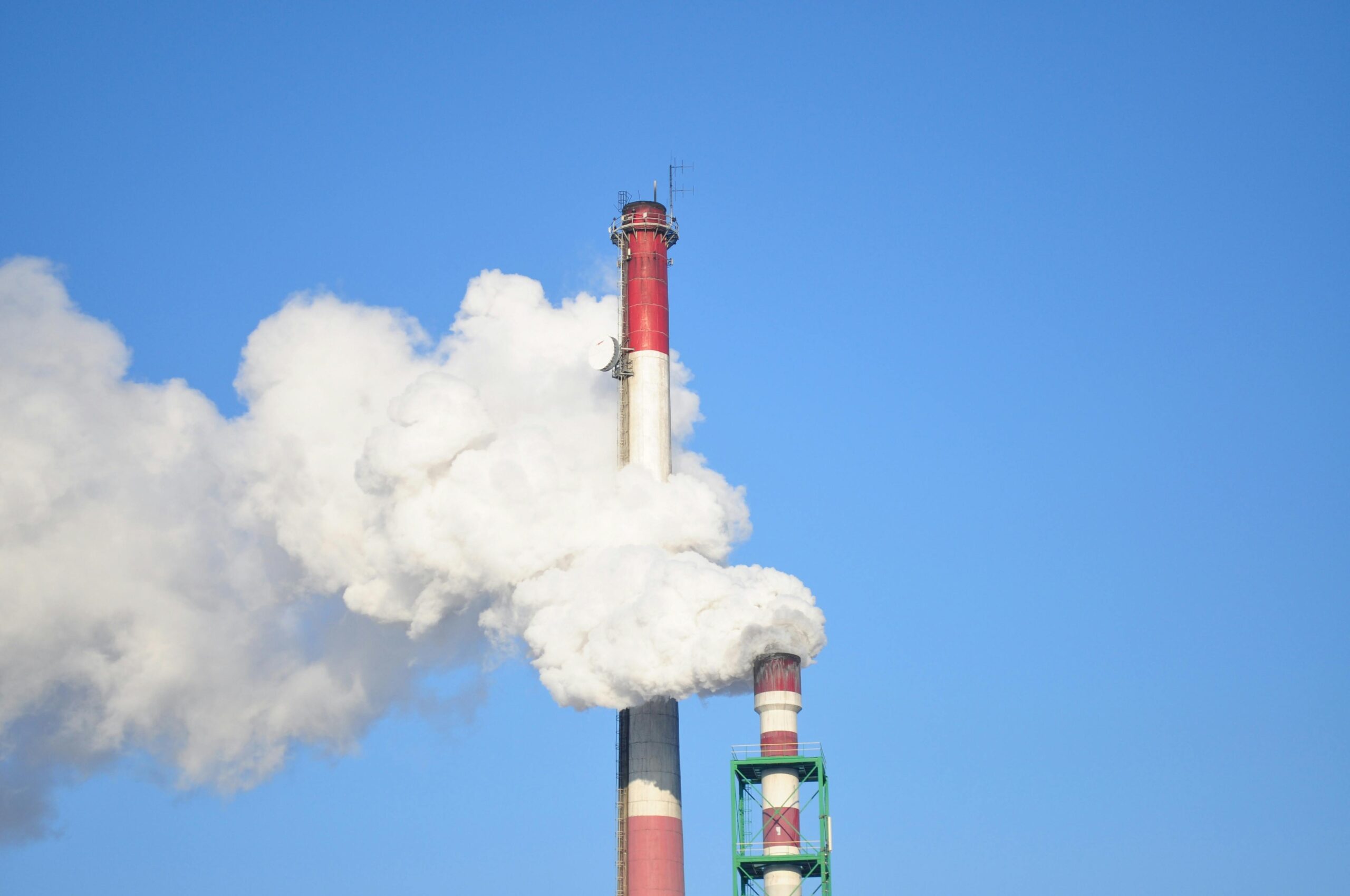
Coal remains part of Maryland’s electricity mix. While Baltimore is a major coal export port (second largest nationally after Norfolk), Anne Arundel County’s Brandon Shores and Herbert A. Wagner plants, operated by Talen Energy, are slated for closure by 2025, signaling coal’s decreasing role in the state’s power generation.
Natural Gas
Natural gas, including propane for areas without pipelines, is widely used for heating and cooking in Maryland. It’s also a significant and growing source of electricity, with usage tripling from 2015 to 2021 as coal is phased out. Maryland sources all its natural gas from other states through the PJM Interconnection, which can influence electricity prices.
Petroleum
Commonly known as crude oil, petroleum has a minimal role in Maryland’s electricity generation. Its primary use in the state is for transportation.
Renewable Energy Sources
Solar
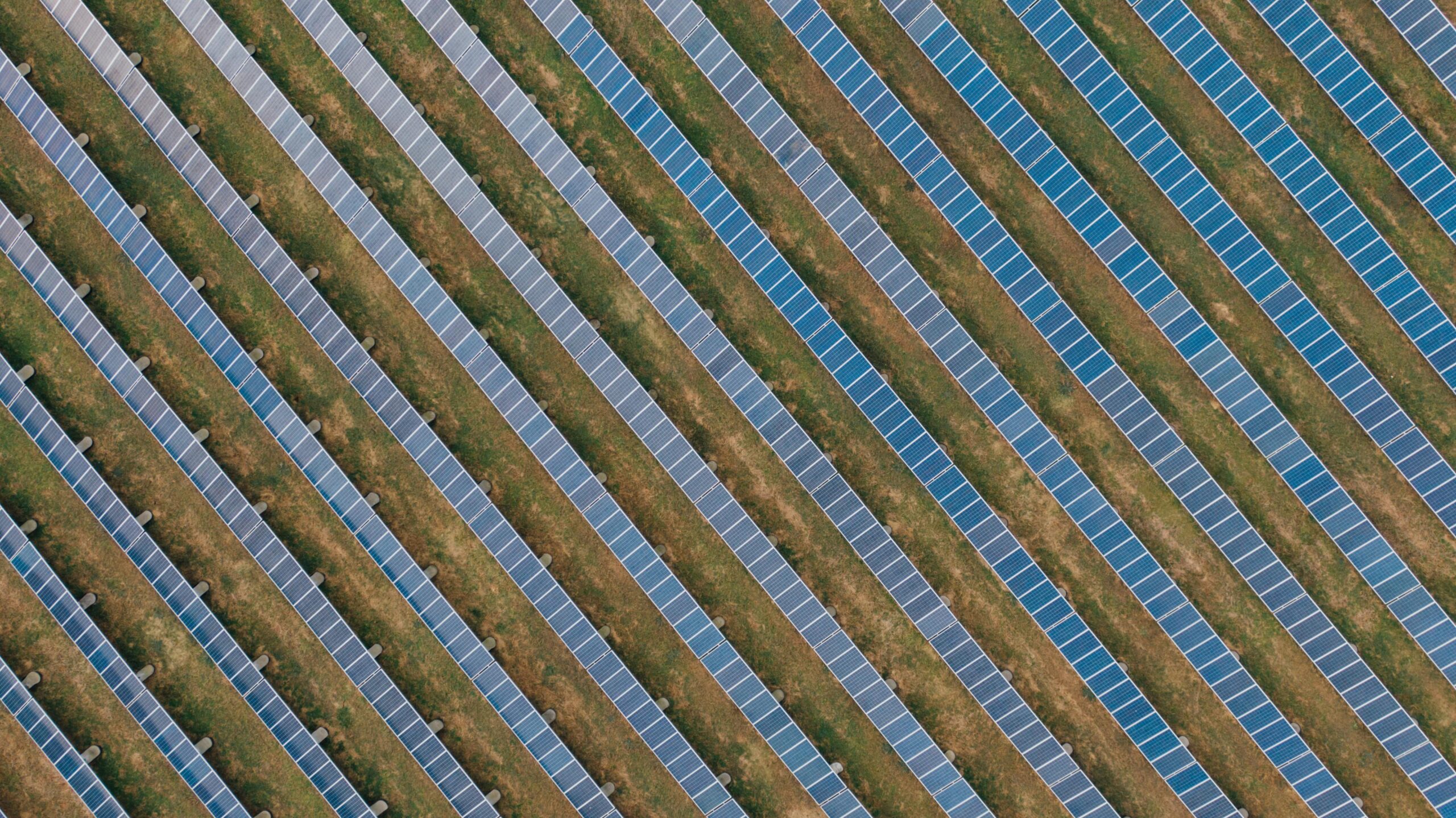
Solar power offers two main applications: photovoltaics (PV), where sunlight is directly converted into electricity using panels (common for homes), and solar thermal, where sunlight heats water using specialized panels and a storage system, often with a backup heat source.
Hydropower
Utilizing the natural movement of water, hydropower is a major renewable energy source. In Maryland, it accounted for nearly 40% of renewable electricity in 2022, with the Conowingo Dam on the Susquehanna River being the largest and longest-operating facility.
Wind
Maryland’s western mountains and coast offer strong onshore wind potential. The state currently has 190 MW of onshore wind capacity in the Appalachian Mountains, with significant offshore wind projects slated to come online by 2028.
Biomass
Woody biomass, derived from Maryland’s forests (including wood chips, tree trimmings, and recycled wood), represents a renewable energy source. Burning or converting these materials into biofuels can generate heat or electricity, offering economic and environmental benefits like improved forest management and reduced landfill waste.
Visit our biomass page for more information.
Waste-to-Energy
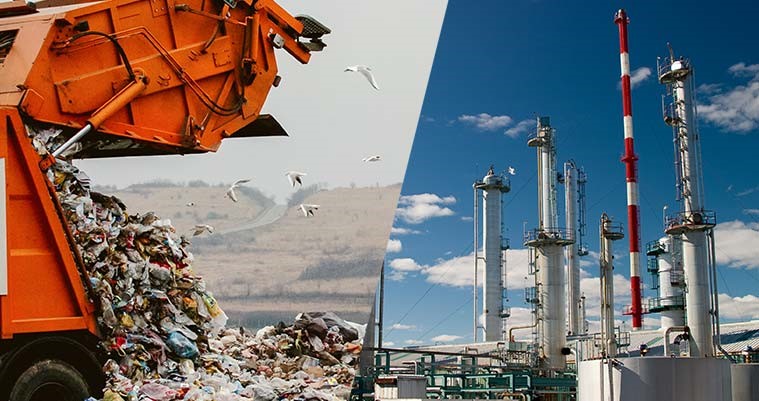
The majority of Maryland’s waste-to-energy electricity is produced at large facilities in Baltimore and Montgomery County, which convert non-recycled solid waste into power. For more information on Waste-to-Energy visit the NMWDA website.
Additional Resources
For more information on Maryland’s electricity generation and how it affects you, check out the following resources: