


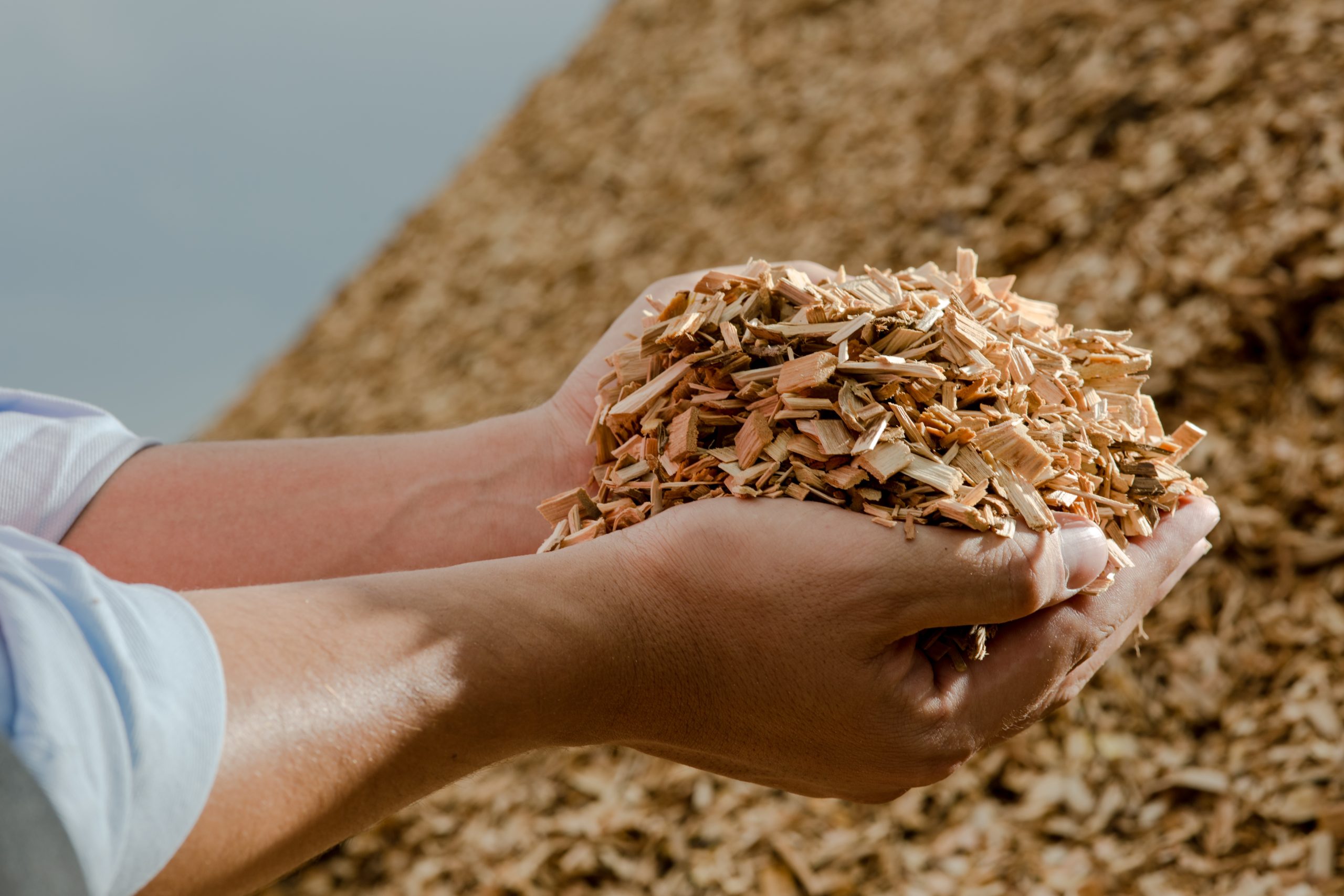
A newly released analysis finds that woody biomass heating could provide a practical, locally sourced solution to rising heating costs, economic challenges, and sustainable energy transition in rural Maryland.
Prepared for the Maryland Clean Energy Center and the Tri-State Growth and Commerce Coalition with funding from the Rural Maryland Council and the United States Forest Service, the Woody Biomass Cost-Benefit Analysis for Rural Counties in Maryland evaluates the effects of replacing fossil fuel heating systems with biomass energy in institutional settings. The findings demonstrate the potential for considerable economic growth, carbon-neutrality, and non-carbon emissions compliant with existing state standards.
The economic benefits largely stem from increases to local economic activity that occur as energy dollars are diverted from fossil fuels – often produced outside the state or even the country – to local foresters and wood products manufacturers. In addition to jobs in forestry, this change supports jobs in transportation, maintenance, and installation. As a result, a single large-scale biomass installation in Garrett County could generate $137.5 million in total economic output and support 53 jobs over 15 years.
The report likewise suggests that replacing fossil fuels with biomass would be environmentally beneficial, as a life-cycle analysis revealed that wood sourced in Maryland would be carbon-neutral in the long term. The study also considered non-carbon emissions, including particulate matter, and found that modern systems would meet Maryland’s existing air-quality regulations – often without additional emissions controls.
Such positive findings are encouraging, as biomass is well-positioned to address challenges faced by western Maryland in the wake of a rash of paper mill closures. In addition to the ripple effects of lost jobs and reduced investment, the decline of the paper industry dramatically decreased demand for low-grade wood, a significant byproduct of sustainable forestry. Without that demand, landowners have little incentive not to “high-grade” their forests – that is, remove only healthy, strong trees for lumber – an unsustainable practice that harms forest health.
Taken together, the findings indicate that heating with woody biomass could provide holistic solutions to issues affecting rural Maryland: supporting sustainable economic growth, fostering energy independence, reducing environmental impact, and promoting sound forestry practices.