


Solar Energy
What is it?
Utilizing energy from sunlight, solar technologies generate clean, renewable electricity without burning fossil fuels. Across Maryland solar installations range from rooftop systems on homes and businesses to community solar projects and larger ground-mounted facilities.
Generation & Environmental Impact
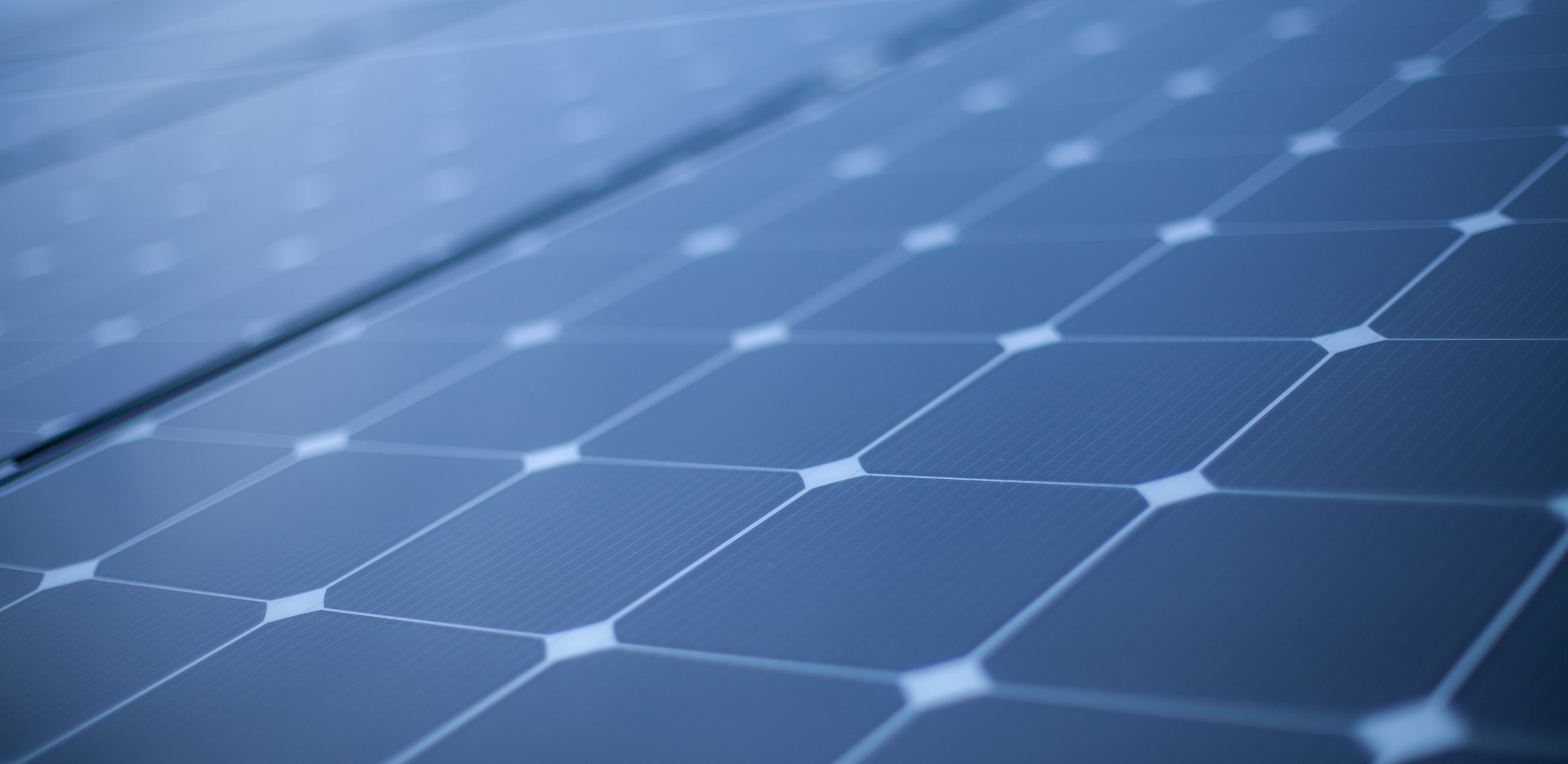
Solar photovoltaic (PV) panels use semiconductor materials to convert sunlight directly into electricity without producing direct greenhouse gas or air pollutant emissions during operation.
- Clean: Solar energy generates electricity without burning fossil fuels or producing direct greenhouse gas emissions during operation. The energy used to manufacture a solar system is typically offset by the clean electricity it generates in about one year.
- Renewable: Sunlight is an abundant energy resource that is naturally replenished.
- Scalable: PV panels can be installed on many scales, from individual homes and businesses to community solar projects and large-scale solar facilities, making it a flexible energy option for communities across Maryland.

Fitting Into the Energy Mix
Solar energy plays an important role in Maryland’s transition to clean energy, with projects ranging from residential rooftop systems to commercial, community, and utility-scale installations. Continued solar development supports the state’s renewable energy and long-term climate goals.