


Advanced Wood Heat
What Are Advanced Wood Heat & Woody Biomass?
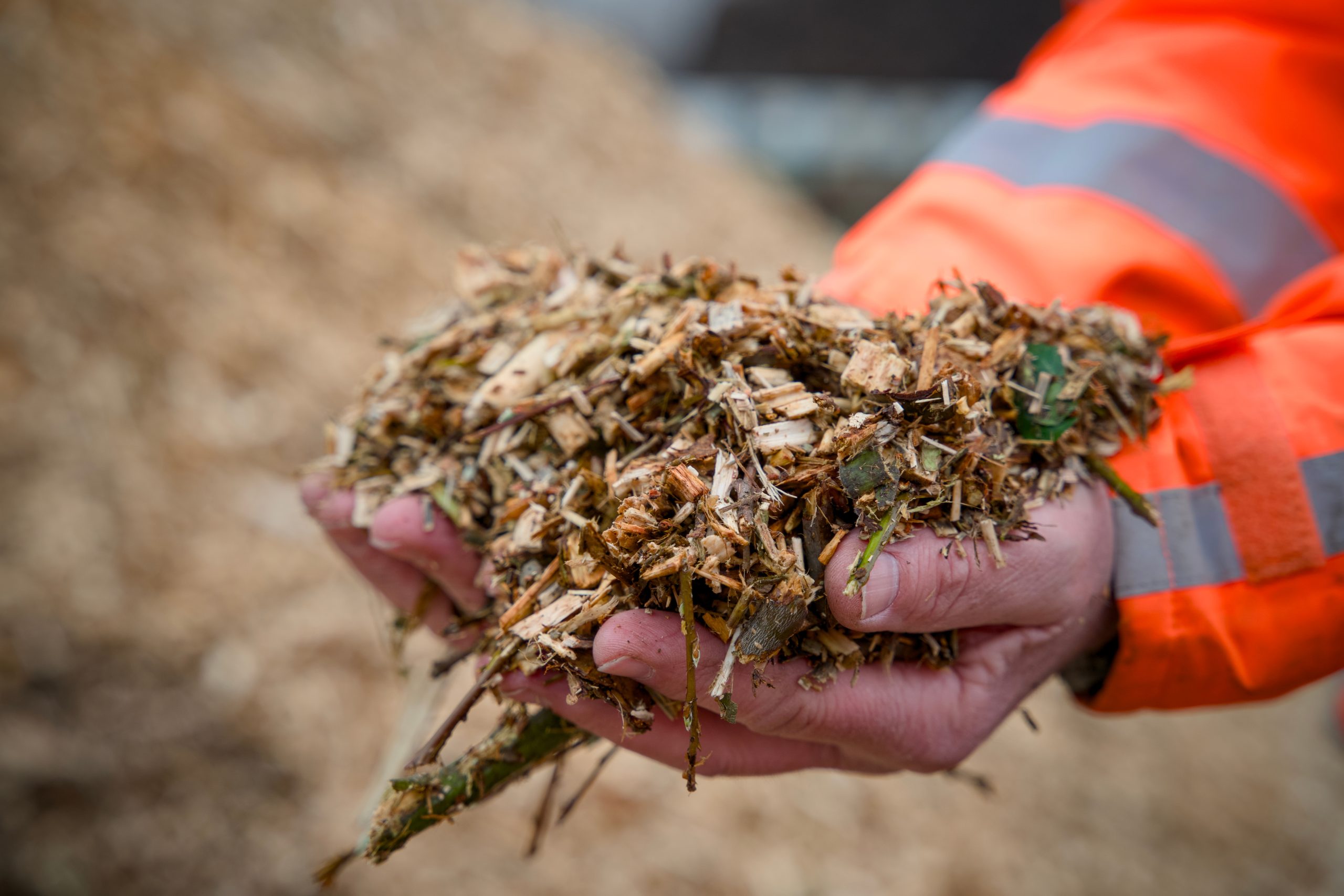
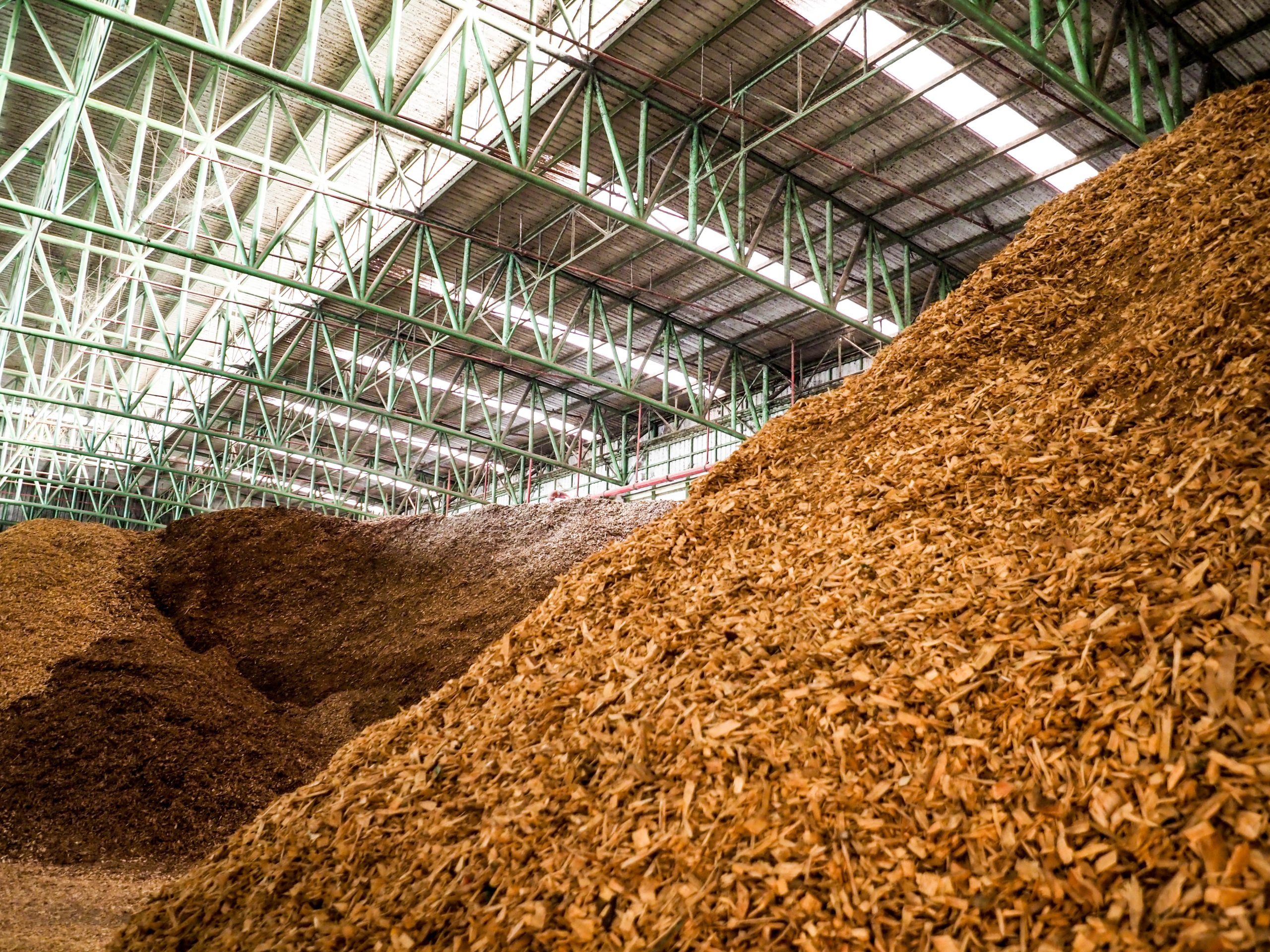
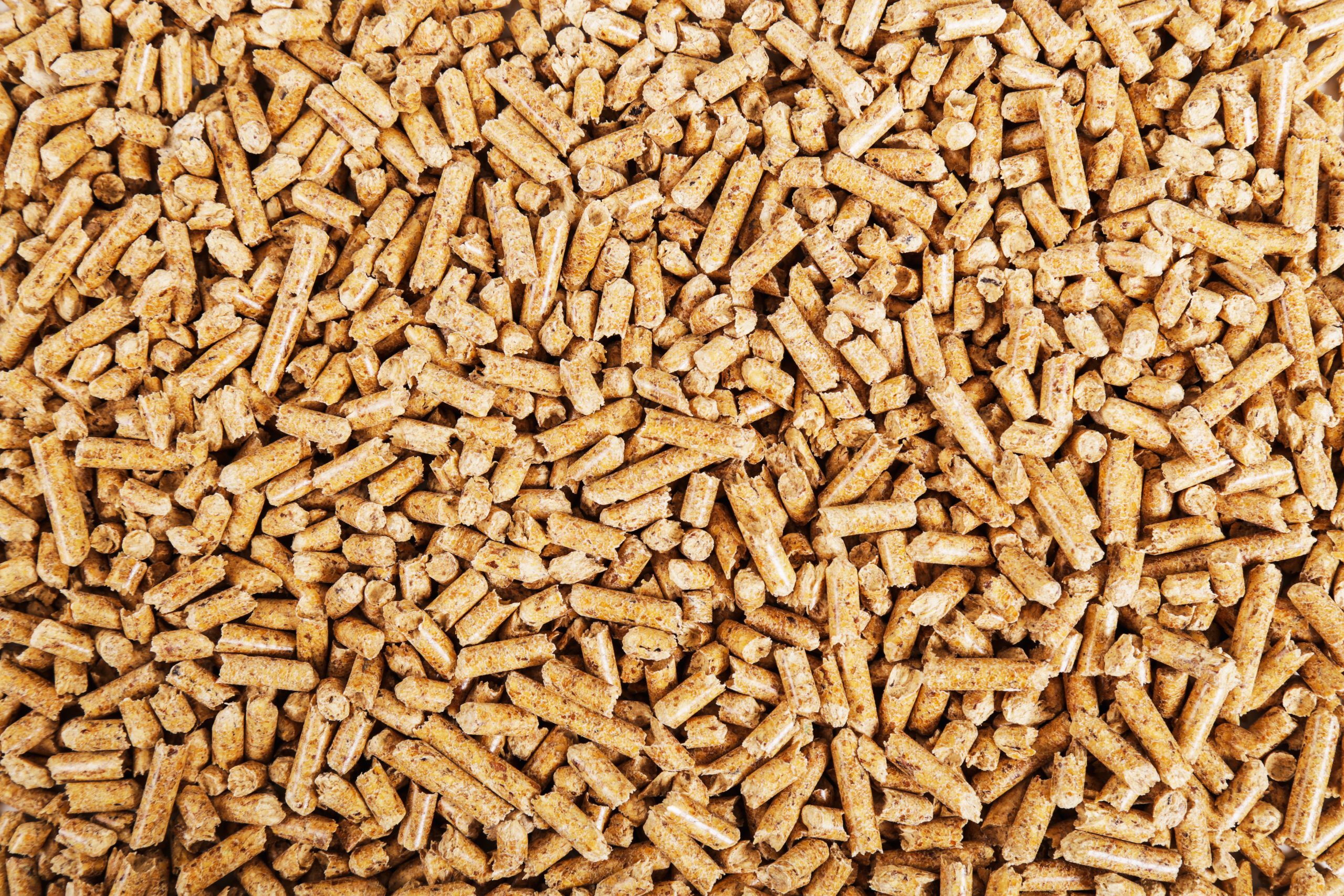
Woody biomass, or fuel-grade/low-grade wood, includes portions of harvested trees that are unsuitable for lumber production. This material typically consists of treetops and limbs, as well as stunted, crooked, or unhealthy trees. Depending on its intended use, woody biomass can be processed into green or dry wood chips, wood pellets, pulp, or cordwood.
Advanced wood heat is a process that uses highly efficient, digitally-controlled, cutting edge boilers to convert woody biomass into steam or hot water that can be used for central heating, domestic hot water, or other purposes.
Why Does Biomass Matter?
Biomass is more than just an alternative fuel source. It’s an energy solution that’s local, sustainable, and affordable.
- Local: Unlike fossil fuels that send your money out of state, biomass keeps energy dollars circulating in the local community. By utilizing regional resources, it builds energy independence while directly supporting the local foresters, sawmills, forest landowners who keep our local supply chains strong.
- Sustainable: Biomass energy harnesses the earth’s natural carbon cycle to generate clean power. This approach creates a financial incentive for landowners to keep their land forested rather than developing it, and it actively supports forest management practices that benefit the wider ecosystem.
- Affordable: Upgrading to biomass provides lower and more stable fuel costs compared to traditional fossil-fuel heating. Advanced wood heat systems are cost-effective to implement because they are eligible for grants and funding programs, and users can earn and sell renewable energy credits to offset costs.
Toolkit for Success: Our Resources
We don’t just advocate for wood energy; we provide the technical and financial bridge to make it happen.
- Feasibility Analyses: Through support from the USDA and Wilson Engineering, MCEC can connect prospective adopters of advanced wood heating systems with free analyses evaluating project or conversion feasibility.
- Project Development Support: MCEC connects projects with subject-matter experts, explores potential conversion options, and educates facility owners about advanced wood heating.
- Grant and Funding Assistance: MCEC helps project teams identify and navigate federal grants, renewable energy credits, and other potential funding opportunities.
- Education and Stakeholder Engagement: MCEC provides educational materials, delivers presentations, and shares technical information with stakeholders and policymakers.
- Industry Coordination: MCEC connects partners across the forestry, energy, economic development, government, and private sectors.
Current Projects
State Wood Energy Team (SWE Team)
A working group comprising various wood energy stakeholders, advocates, and prospective adopters. Contact the Wood Energy Coordinator to get involved.
Frostburg State University
Frostburg State University is developing a plan to convert several aging fossil-fuel heating systems to advanced wood heating. MCEC is supporting the university as it evaluates options for developing a wood energy system serving campus buildings.
Biomass Educational Video Project
In collaboration with the Alliance for Green Heat, and with funding from the Rural Maryland Council, MCEC is producing an educational video touring biomass facilities in New England.
Maryland Biomass Cost-Benefit Analysis
Prepared for the Maryland Clean Energy Center and the Tri-State Growth and Commerce Coalition with funding from the Rural Maryland Council and the United States Forest Service, the Woody Biomass Cost-Benefit Analysis for Rural Counties in Maryland evaluates the effects of replacing fossil fuel heating systems with biomass energy in institutional settings.
Interested in learning more? Reach out to our Wood Energy Coordinator to learn how MCEC can help facilitate the funding, design, and construction of modern biomass facilities.