


By MCEC Staff
Advanced wood heat is emerging as a powerful economic and energy opportunity for Maryland, particularly benefiting rural communities, businesses, and public institutions. By beneficially reusing locally available woody biomass as clean heating fuel, the state can establish new markets for the forestry sector. This transition will redirect energy expenditures to local economies while successfully reducing long-term exposure to volatile oil prices in the region.
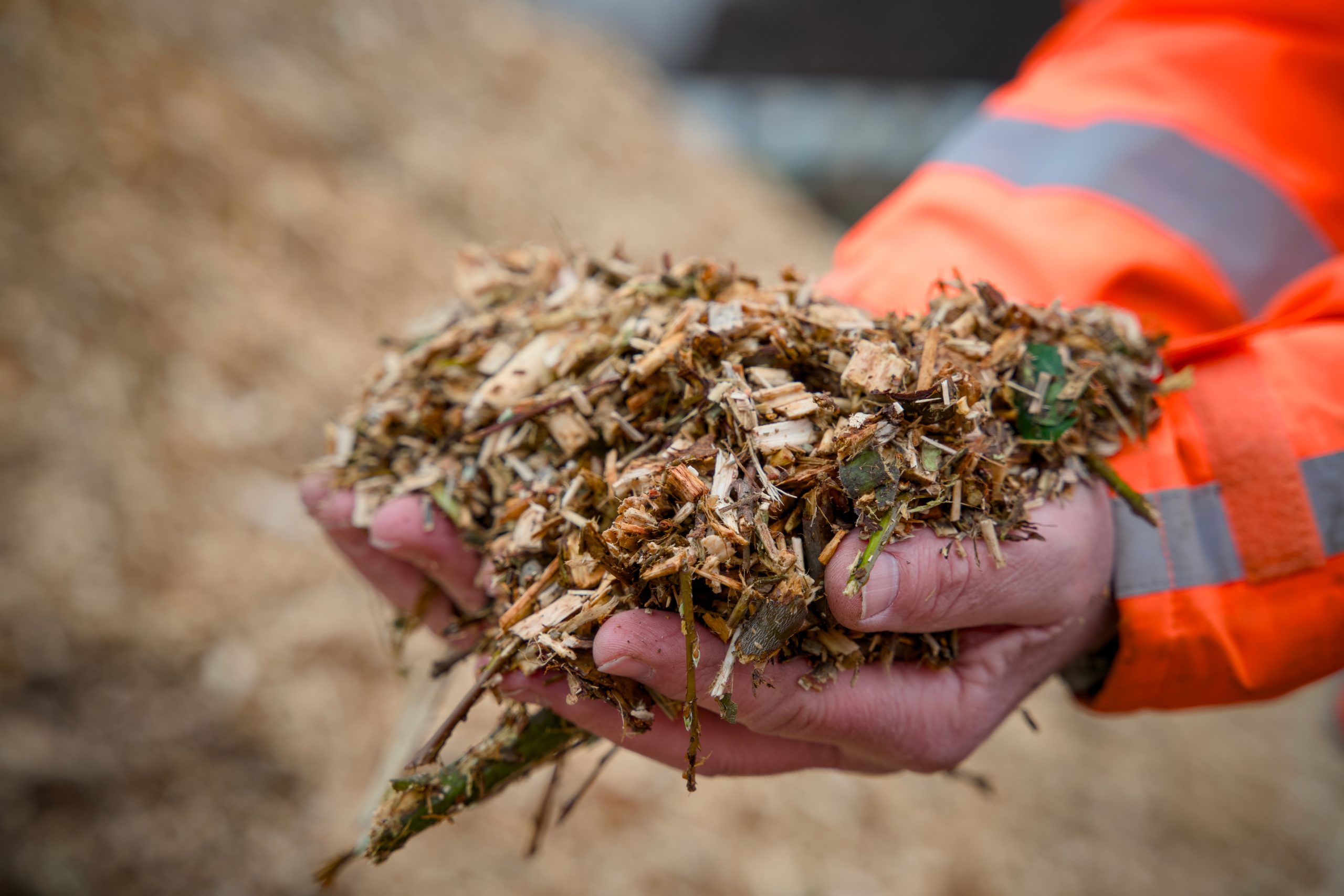
Fuel-grade or low-grade woody biomass comprises leftover wood materials from existing forestry and timber operations that would otherwise go unused. These materials typically include treetops, branches, and stunted or unhealthy wood unsuitable for standard lumber production. The advanced wood heat process utilizes highly efficient, digitally-controlled, cutting-edge boilers to convert this material into steam or hot water. These systems provide reliable infrastructure for central heating, electricity, and domestic hot water needs.
Successful facilities in New Hampshire and Vermont demonstrate how this clean energy technology works in practice, using wood residues to generate energy. Their operational experience offers valuable examples of how Maryland could connect local forest resources with community and institutional energy needs. The opportunity is exceptionally relevant in Western Maryland, where a declining paper industry reduced regional demand for low-grade wood, and on the Eastern Shore, where underutilized woody biomass could provide a local fuel source for advanced wood heat systems.
At North Country Hospital in Vermont, advanced wood heat has delivered significant cost savings.
“We saved a million dollars a year. That’s been the number since 2013 when I came, so obviously oil has gone up a lot since, but the chips themselves haven’t changed at all in price,” said a member of the hospital’s maintenance staff.
These savings demonstrate the long-term economic benefits while supporting a more sustainable approach to energy production.
“The opportunity for heating with wood in Maryland is huge,” said Dan Rider, supervisor of the Maryland Department of Natural Resources Forest Utilization program. “Every year, we quite literally throw away over a million tons of wood, already perfectly produced to be used as fuel.”
According to agency officials, developing a reliable market for this wood waste will directly support rural economic activity, create local jobs, and advance state clean energy deployment goals.
Forest management residues are part of the natural carbon cycle. Trees absorb carbon dioxide as they grow, store it in the form of wood and other biomass, and release it again when they die. In a managed forest, some of that carbon is sequestered permanently as durable wood products, but residues are typically burned or left to rot. Carbon within them escapes, only to be taken up by growing trees. When those residues are used for heat instead, their carbon is still released and reabsorbed, but the process generates useful energy and supplants fossil fuel consumption.
The incentives created by wood markets also encourage responsible forest ownership. When low-grade wood has little commercial value, thinning unhealthy trees is costly, and sawmills have no outlet for their residues. Fuelwood markets change that by giving landowners and loggers a clear economic incentive to manage forests sustainably. Additionally, the income generated can help landowners maintain their forests rather than sell them for development, keeping forests intact. It will also divert wood residues from landfills, burn piles, and wood waste depots where they are at risk of fueling wildfires.
To explore these opportunities in real-world settings, the Maryland Clean Energy Center partnered with the Alliance for Green Heat to produce an educational video featuring operational New England facilities. Funded by the Rural Maryland Council and the United States Forest Service, this initiative highlights how regional wood resources can meet energy needs, offering a practical starting point for communities evaluating upgrading their heating options.
Watch the video here. To learn more or connect with the MCEC Wood Energy Coordinator, visit mdcleanenergy.org/biomass.