


Policy Timeline
The Maryland legislature has a long track record of dealing with energy-related policy and regulation. In past sessions, the Maryland General Assembly has established goals related to energy consumption and supply, as well as to the associated emissions.
This timeline highlights of some past policy decisions that have laid the framework for meeting decarbonization goals, but it is not a complete record of those decisions. Visit our Policy Updates page view energy-related bill passed in the latest legislative session.

Renewable Energy Portfolio Standard
HB1308 established the state’s Renewable Energy Portfolio Standard (RPS), mandating that electricity suppliers procure a set percentage of their retail sales from renewable sources. It laid the legal groundwork that required electric companies, brokers, and marketers to gradually increase the amount of renewable energy they provide to Maryland consumers.

EmPOWER Maryland Energy Efficiency Act
HB0374 created the EmPOWER Maryland program to incentivize energy efficiency and conservation efforts. As part of their EmPOWER Maryland portfolios, Maryland’s five largest electric utilities offer programs to help Maryland’s households and businesses save energy and money through a variety of incentives, such as free or discounted energy audits, weatherization, and efficient appliances.

Establishment of MCEC
HB1337 established the Maryland Clean Energy Center. MCEC serves as a catalyst for the clean energy revolution, guiding the growth of sustainable businesses, unlocking financial resources, and sharing the knowledge and expertise needed for the state of Maryland to thrive.
House Bill 163
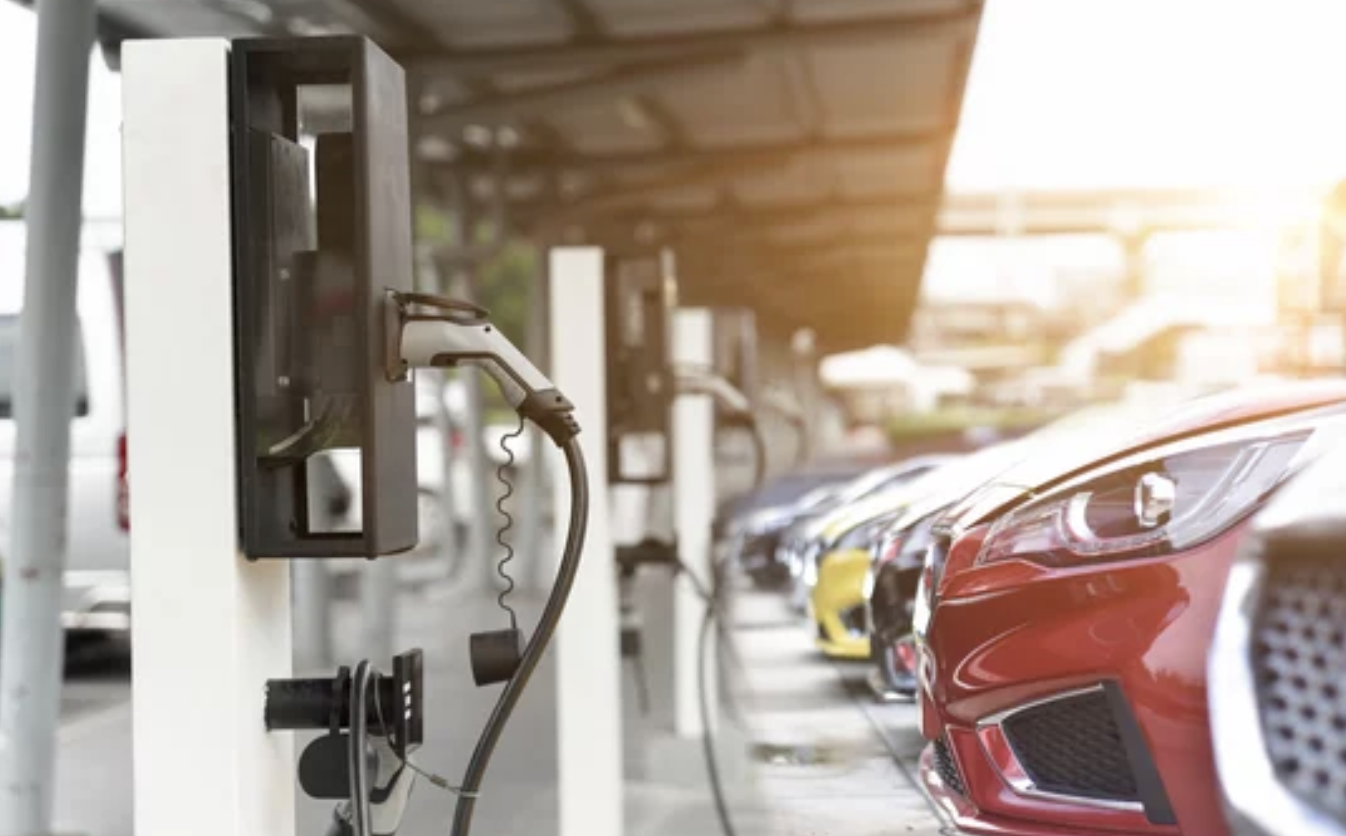
HB0163 allows for a credit against the state income tax for certain qualified electric vehicle recharging equipment. This statute served as one of the state’s foundational policies to encourage the early adoption of electric vehicles (EVs) by actively incentivizing the rollout of residential and commercial charging infrastructure.

Maryland Offshore Wind Energy Act
HB0226 required that up to 2.5% of the state’s electricity generation come specifically from offshore wind. This supported the broader goal of sourcing 25% of the state’s energy from renewable sources by 2020. This legislation also established the Offshore Wind Renewable Energy Credit (OREC) Program, which enabled the Maryland Public Service Commission (PSC) to review and approve offshore wind projects.

Senate Bill 186 & House Bill 202
SB1016 and HB0202 authorized private lenders to finance commercial clean energy projects and allowed municipalities to collect these repayments via property tax bills. Because the repayment was linked to the property tax bill, the debt attached to the real property rather than the individual owner. This mitigated risk for both lenders and property owners, encouraging long-term investments in sustainability.

House Bill 1087
HB1087 allowed renters, apartment dwellers, and low- to moderate-income households to subscribe to local shared solar arrays and receive credits on their monthly electric bills. It expanded access to solar energy to the roughly 75% of households that were previously ineligible for rooftop solar such as renters or those with shaded roofs.
Commission on Climate Change
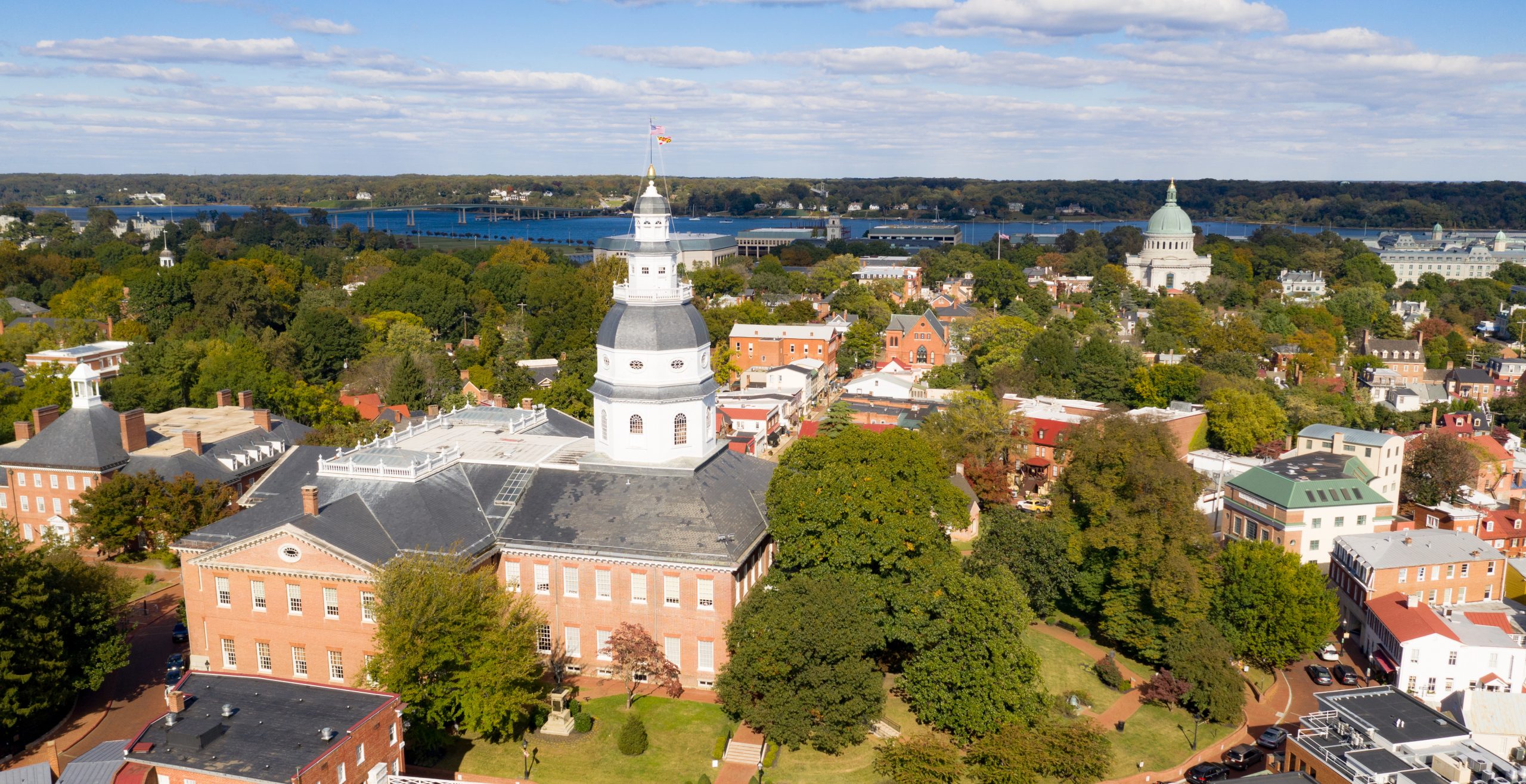
HB0514 established the Commission on Climate Change in the Department of the Environment to advise the Governor and General Assembly on ways to mitigate the causes of, prepare for, and adapt to the consequences of climate change. , officially tasking it with advising the Governor and General Assembly. It transformed the commission from a temporary executive order into a permanent statutory body.
Greenhouse Gas Emissions Reduction Act
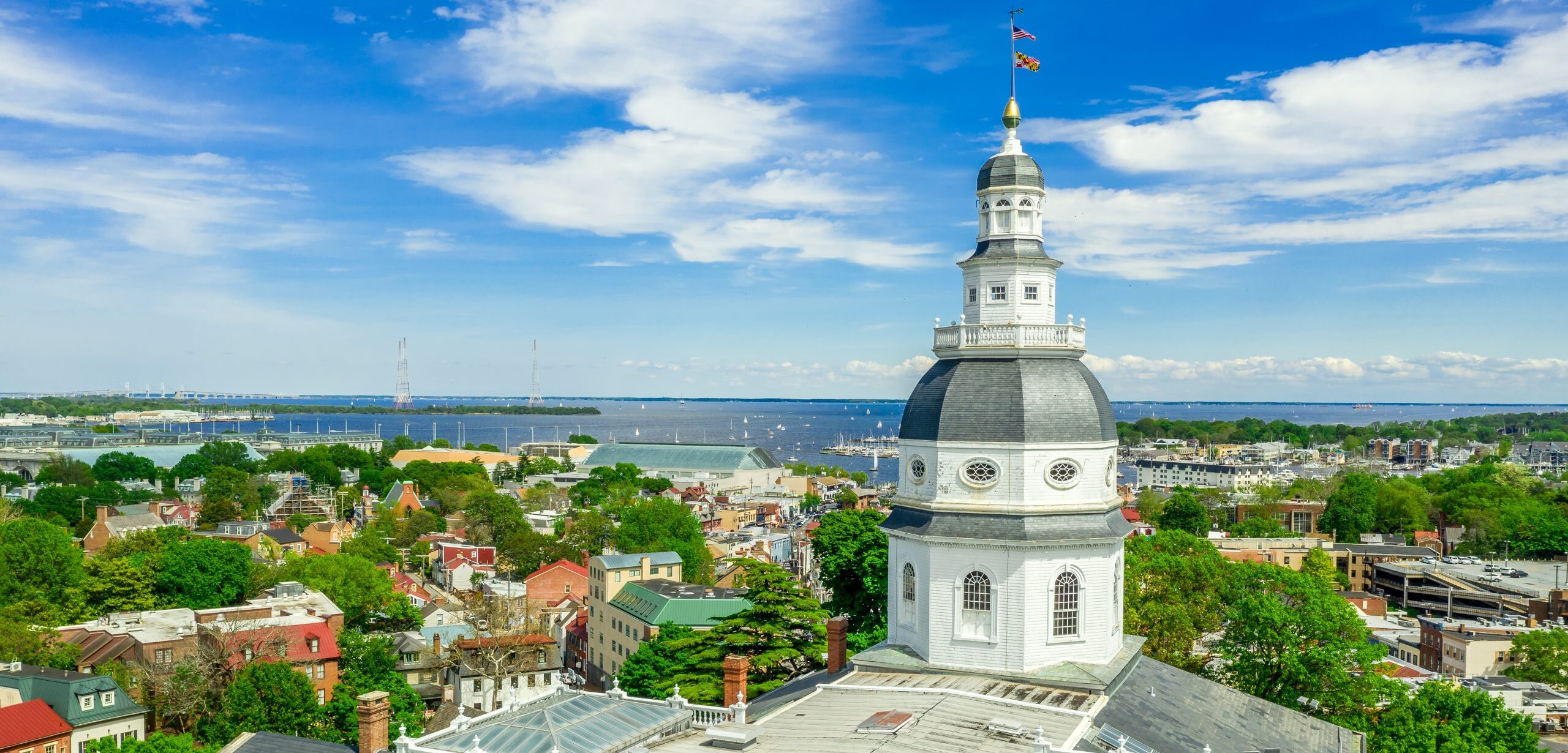
SB0323 required the State to reduce statewide greenhouse gas emissions by 40% from 2006 levels by 2030. The state directed the Department of the Environment to submit specified plans to the Governor and the General Assembly on or before specified dates.

Senate Bill 313 & House Bill 410
SB0313 and HB0410 established the Maryland Energy Innovation Institute as part of the A. James Clark School of Engineering to collaborate with academic institutions on clean energy programs in the State, and to attract private investment to clean energy innovation and commercialization in the State.

Clean Energy Jobs Act
HB1156 makes significant updates to the State’s goals for reducing statewide GHG emissions and addressing climate change. This legislation increases the RPS from 25% by 2020 to 50% by 2030. This legislation authorizes the transfer of $15.0 million from the SEIF to be used for workforce development and requires the PPRP to conduct a study on a 100% RPS goal.

Climate Solutions Now Act of 2022
SB0528 makes significant changes to the State’s goals for reducing statewide GHG emissions and addressing climate change. The legislation increases the statewide GHG emissions reduction requirement and requires the State to achieve net-zero statewide GHG emissions by 2045. The legislation establishes new and alters existing energy conservation requirements for buildings, increases and extends specified energy efficiency and conservation programs and establishes requirements for the purchase of zero-emission vehicles in the State fleet.

Energy Resource Adequacy & Planning Act
SB0909 & HB1037 establishes the Integrated Resource Planning Office in the Public Service Commission and requires the Office to develop and submit a Comprehensive Wholesale Energy Markets and Bulk Power System Risk Report to the Governor and the General Assembly.
Utility RELIEF Act
HB1532 takes several actions related to State- and ratepayer-funded energy programs, utility
rates and cost recovery, competitive electricity supply, and local solar permitting. This legislation also establishes consumer transparency requirements for utilities and establishes expectations and registry requirements for data centers.
Additional Bills
Want to take a deeper dive? Explore additional pieces of key legislation that have helped Maryland to progress beyond the foundational bills listed above:
SB0690 – Renewable Energy Portfolio – Waste–to–Energy and Refuse–Derived Fuel (2011)
SB0717 – Renewable Energy Portfolio Standard – Renewable Energy Credits – Solar Water Heating Systems (2011)
SB0908/HB1345 – Electric Vehicles and Recharging Equipment – Rebates and Tax Credits (2014)
SB0985 – Maryland Clean Energy Center – Green Banks and Clean Bank Financing – Study (2014)
SB0173/HB0105 – Local Government – Clean Energy Loan Programs – Commercial Property Owners – Renewable Energy Projects (2016)
SB0393 – Clean Cars Act of 2017 (2017)
HB1246 – Plug-In Electric Drive Vehicle Excise Tax Credit (2019)
HB0586 – Public Safety – Solar Photovoltaic Systems – Lockout Tag Requirement (2019)
HB0044 – Clean Cars Act of 2021 (2021)
SB0065 – Electricity – Renewable Energy Portfolio Standard – Qualifying Biomass (2021)
HB0561 – Renewable Energy Portfolio Standard – Wastewater, Thermal, and Other Renewable Sources (2021)
SB0508/HB0584 – Utilities – Net Energy Metering (2021)
HB1391 – Clean Cars Act of 2022 (2022)
HB0696 – Electricity – Community Solar Energy Generating Systems – Generating Capacity Public Utilities – Electric School Bus Pilot Program (2022)
SB0526 – Renewable Energy Portfolio Standard and Renewable Energy Credits – Offshore Wind (2022)
SB0960 – Maryland Clean Energy Center – Climate Technology Founder’s Fund (2024)
SB0120/HB0004 Restrictions on Use – Solar Collector Systems – Alteration (2025)
SB0931/HB1036 – Public Utilities – Generating Stations – Generation and Siting (Renewable Energy Certainty Act) (2025)
HB1111 – Public Utilities – Solar Energy Generating Systems – Systems Located on or Over Water Retention Ponds, Quarries, or Brownfields (2025)
SB0223 – Maryland Energy Administration – Jane E. Lawton Conservation Loan Program and Maryland Strategic Energy Investment Fund (2026)
SB0344/HB0734 – Property Tax – Agricultural Use Assessment – Community Solar Energy Generating Systems (2026)